In today’s fast-paced digital world, short forms and slang dominate everyday conversations, especially in texting and social media. One such term that often leaves people confused is “WTW.”
Many users search for this phrase because they encounter it in messages but are unsure how to interpret or respond to it.
Understanding modern slang like this is important for clear communication, whether you are chatting with friends, engaging on social platforms, or navigating online communities. This guide explains everything you need to know in a simple and practical way.
From its meaning to how it is used in different situations, you will gain a clear understanding of how to confidently use and respond to this term in real conversations.
Definition & Meaning
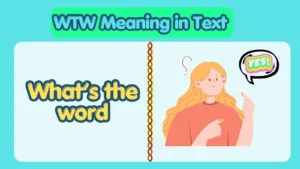
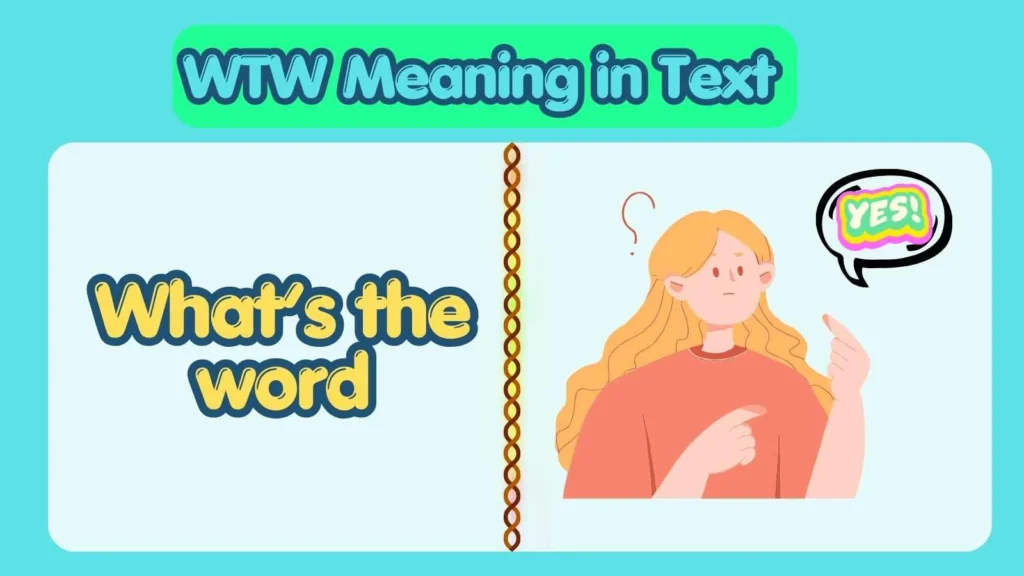
“WTW” stands for “What’s the word.” It is commonly used in text messages and online chats as a casual way of asking what is happening or what the plan is. In simple terms, it means something similar to “What’s going on” or “What are you up to.”
People use this abbreviation when they want to start a conversation or check in with someone. It can also be used to ask about plans, events, or activities. For example, if someone texts “WTW tonight,” they are asking about plans for the evening.
The tone of this phrase is informal and friendly. It is often used among friends, peers, or people who are comfortable with each other. It is not typically used in formal or professional settings.
Another key aspect of this term is flexibility. It can be used in many situations without sounding too specific. Whether someone wants to hang out, get updates, or simply start a conversation, “WTW” works as a quick and easy opener.
Background & History
The origin of “WTW” comes from the broader trend of internet slang and texting abbreviations. As mobile communication became more popular, users began shortening phrases to save time and effort. This led to the creation of acronyms like “LOL,” “BRB,” and eventually “WTW.”
“What’s the word” itself existed in spoken language long before texting became popular. It was used informally in conversations to ask for updates or news. Over time, as texting and social media platforms grew, the phrase was shortened into “WTW” for convenience.
The rise of platforms like messaging apps and social networks helped spread this abbreviation globally. Younger generations, especially teenagers and young adults, adopted it quickly because it fits the fast and casual style of online communication.
Today, “WTW” is widely recognized in digital conversations, though its popularity may vary depending on region and social group.
Usage in Various Contexts
“WTW” is highly versatile and can be used in multiple contexts depending on the situation.
In casual conversations, it often acts as a greeting. For example, someone might send “WTW” instead of saying hello, expecting the other person to reply with what they are doing.
When making plans, it becomes more specific. A message like “WTW this weekend” asks about availability or plans for that time.
In group chats, it can be used to gather ideas. For instance, someone might ask “WTW tonight” to see what everyone wants to do.
On social media, it is sometimes used in captions or comments to engage others and start discussions. It can also be used in direct messages as an icebreaker.
Despite its simplicity, the meaning can slightly shift based on tone and context, which makes understanding the situation important.
Common Misconceptions & Clarifications
One common misconception is that “WTW” always means the same thing in every situation. While the general meaning remains similar, the intent can vary depending on context.
Some people confuse it with other abbreviations or assume it has a hidden or complicated meaning. In reality, it is straightforward and usually just a casual question.
Another misunderstanding is thinking it is formal or appropriate for all situations. This is not the case. It is best used in informal communication and may seem unprofessional in serious settings.
There is also confusion about tone. Some may interpret it as lazy or uninterested, but in most cases, it is simply a quick and friendly way to communicate.
Similar Terms & Alternatives
There are several alternatives to “WTW” that carry a similar meaning. These include phrases like “What’s up,” “What’s going on,” and “What’s happening.”
Other abbreviations such as “WYD” meaning what are you doing, and “SUP” meaning what is up, are also commonly used. Each has a slightly different tone but serves a similar purpose.
Choosing between them depends on personal preference and context. Some may feel more direct, while others may sound more casual or relaxed.
How to Respond to This Term
Responding to “WTW” is simple and depends on what the sender is asking.
If they are checking in, you can reply with what you are doing. For example, you might say you are relaxing, working, or free.
If they are asking about plans, you can suggest something or ask a follow-up question. A response like “Nothing much, you?” keeps the conversation going.
The key is to match the tone. Since “WTW” is casual, your reply should also be friendly and relaxed.
Regional or Cultural Differences
The use of “WTW” can vary across regions and cultures. In some areas, it is very common among younger users, while in others, it may not be as widely used.
Cultural differences can also influence how it is interpreted. In some communities, it may be used more frequently as a greeting, while in others, it is mainly used to ask about plans.
Understanding your audience is important to ensure your message is clear and appropriate.
Comparison with Similar Terms
Compared to “WYD,” which asks specifically about current activity, “WTW” is broader and more open-ended. It can refer to plans, updates, or general conversation.
“What’s up” is closer in meaning but is often used as a greeting rather than a question about plans. “WTW” tends to feel more action-oriented.
Each term has its own nuance, but all serve the purpose of starting or continuing a conversation.
Usage in Online Communities & Dating Apps
In online communities and dating apps, “WTW” is often used as a conversation starter. It is simple, non-intrusive, and easy to respond to.
On dating platforms, it can be used to break the ice and invite casual interaction. However, some users may prefer more personalized messages.
In group communities, it helps spark discussions or plan activities. Its flexibility makes it a popular choice in these environments.
Hidden or Offensive Meanings
Generally, “WTW” does not have any offensive meaning. It is considered safe and neutral in most conversations.
However, like any slang, tone and context matter. If used carelessly, it might come across as too casual or uninterested.
There are no widely recognized negative meanings associated with it, making it a safe option for everyday communication.
Suitability for Professional Communication
“WTW” is not suitable for professional or formal communication. In work-related settings, it is better to use complete sentences and polite language.
Using slang in professional emails or messages can appear unprofessional or unclear. Instead, phrases like “What is the update” or “Can you share the plan” are more appropriate.
Keeping communication clear and respectful is essential in professional environments.
FAQs
What does WTW mean in texting
It means what is the word, often used to ask what is happening or what the plan is.
Is WTW a greeting
Yes, it can be used as a casual way to start a conversation.
Can WTW be used in formal messages
No, it is informal and not suitable for professional communication.
How do you reply to WTW
You can reply by sharing what you are doing or asking a follow-up question.
Is WTW the same as WYD
No, WYD asks what you are doing while WTW is more general.
Is WTW commonly used worldwide
It is popular in many regions but usage depends on culture and age group.
Conclusion
Understanding “WTW” helps you stay connected in modern digital conversations. It is a simple and flexible slang term that allows people to start conversations, ask about plans, and stay socially engaged.
While it is widely used in casual settings, it is important to recognize when it is appropriate and when more formal language is needed.
By learning how to use and respond to it correctly, you can communicate more confidently and naturally in online and text-based interactions.